July 6, 2026
Ensuring your roof is in excellent condition is crucial for protecting your home from weather-related damage and extending its lifespan. Regular maintenance can help you avoid costly repairs and maintain the structural integrity of your house. Here, we'll provide a comprehensive checklist for roof maintenance to prevent potential issues before they escalate into significant problems.
Regular Inspection
Regular visual inspections from the ground can guide your roof maintenance strategy. Inspecting from a safe distance, note any signs of damage such as missing shingles or discoloration, which could indicate early stages of roofing problems. These visual clues allow you to prioritize areas that may need closer examination or possible repair. Timely identification and action can prevent a small issue from becoming a major repair. Additionally, keep in mind seasonal changes that may affect your roof's appearance and structure. If you notice concerning signs, contacting a local roofer can help you determine whether professional repairs are needed.
Your attic is a key indicator when identifying roof issues, particularly leaks. Conduct regular checks for water stains or mold, as these are often the first signs of a leak. Addressing these issues promptly can minimize damage and help maintain a dry and healthy home environment. Often, the root cause of attic leaks can be traced back to faulty shingles or inadequate sealants. Scheduling regular checks can save significant repair costs. Careful attention to attic conditions fortifies your home’s defenses against water-related damage.
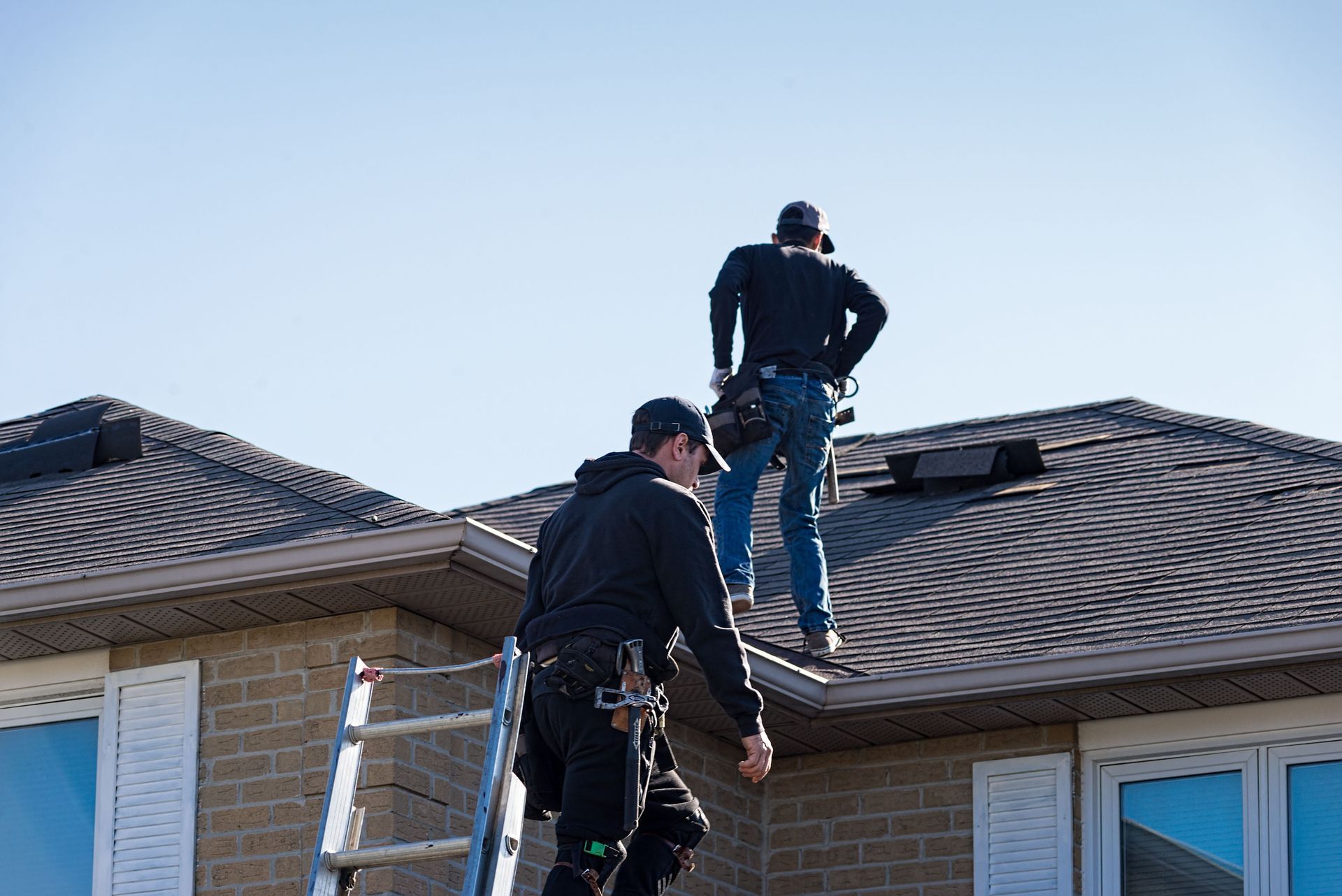
Hiring a professional roofing inspector can provide a comprehensive evaluation of your roof's health. They possess the expertise needed to identify potential issues that an untrained eye might miss, including subtle damages such as small fissures or insulation weaknesses. Regular professional inspections, ideally once a year or after significant weather events, can help catch problems early. This means less likelihood of hefty restoration expenses in the future. According to This Old House, routine inspections along with small repairs can extend your roof's life by an additional five to ten years. Many homeowners rely on a trusted local roofer to perform these inspections and recommend preventative maintenance.
Wildlife can have a surprising impact on your roof's integrity. Birds, squirrels, and raccoons may create nests, causing damage to shingles or even creating openings for water ingress. Identifying these issues early involves looking for signs such as droppings, nesting materials, or physical damage like scratches or gnawed sections. Taking swift action can prevent more severe structural damage. In cases of extensive animal intrusion, professional removal and repair services may be required to restore roof health.
Roof Cleaning
Accumulated debris, like leaves and branches, can lead to severe moisture retention on your roof’s surface. Prolonged exposure to moisture contributes to decay, mold, and moss buildup, which can damage shingles and weaken roof integrity. Regular debris clearance, especially after storms or during the fall, is vital for preventing these issues. In addition to clearing visible debris, trimming overhanging tree branches can minimize future accumulation. A consistent cleaning regime ensures your roof remains dry and functional, reducing repair costs. When debris buildup becomes difficult to manage, a local roofer can safely clean and inspect hard-to-reach areas.
Gutters play a crucial role in guiding water away from your roof, preventing water damage and foundation issues. Blocked gutters can overflow, causing water to seep into your roof structure and eventually leading to leaks. Regular cleaning of gutters and downspouts, particularly during fall and spring, can promote efficient water drainage. A functional gutter system supports the overall health of your home, contributing to an extended lifespan for your roof. Investing time in maintenance prevents the costly ramifications of water damage and erosion.
Moss and algae can thrive in environments where moisture is frequently present, often colonizing shaded, cool sections of your roof. This organic growth, while initially harmless, can trap moisture against the roofing material, accelerating decay and dislodging shingles. Regularly treating your roof with effective moss and algae removal solutions can maintain its appearance and structural integrity. Natural remedies or commercial solutions can help eliminate these unwanted growths. Ensuring a clean roof protects it from long-term moisture damage, reducing repair needs over time.
While power washing can effectively remove accumulated dirt and growth from a roof, it carries risks of damaging shingles if not done correctly. High-pressure settings might strip away protective layers or granules, leading to premature roof aging. If power washing is necessary, it must be performed with care and ideally by professionals knowledgeable in low-pressure settings for roofs. Alternatives, like soft washing, offer safer options without compromising roof integrity. Proper cleaning techniques significantly contribute to your roof's longevity and performance.
Shingle Maintenance
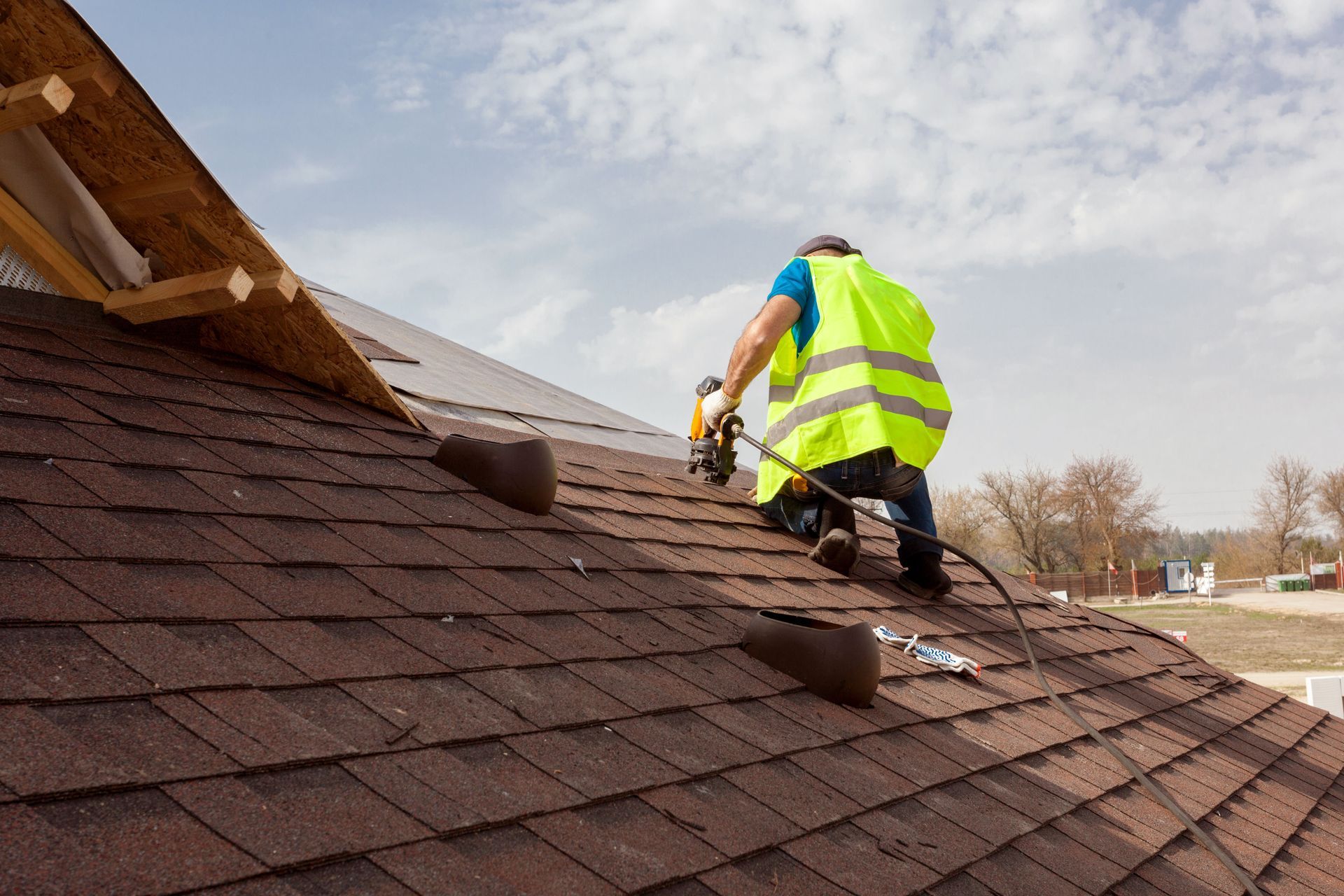
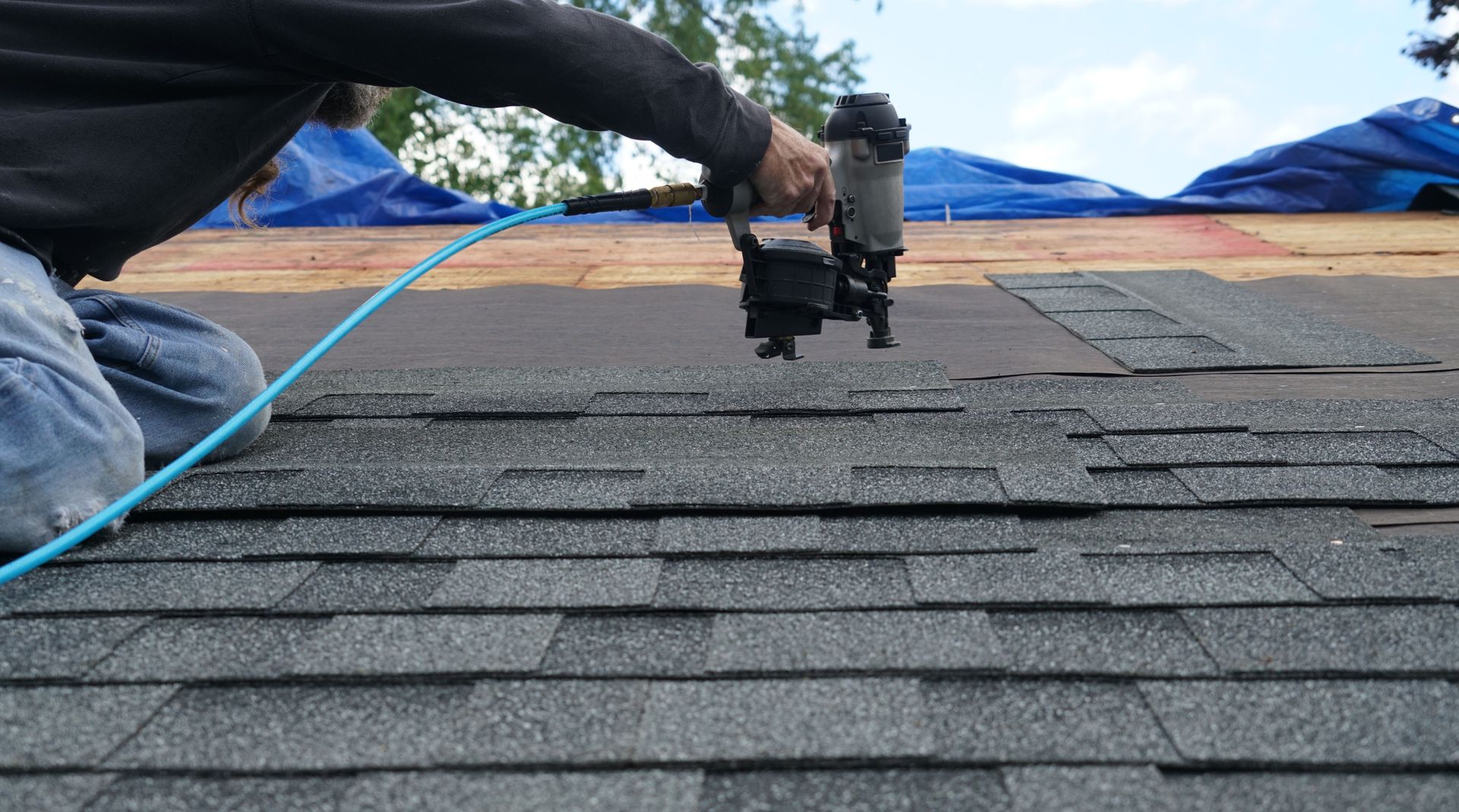
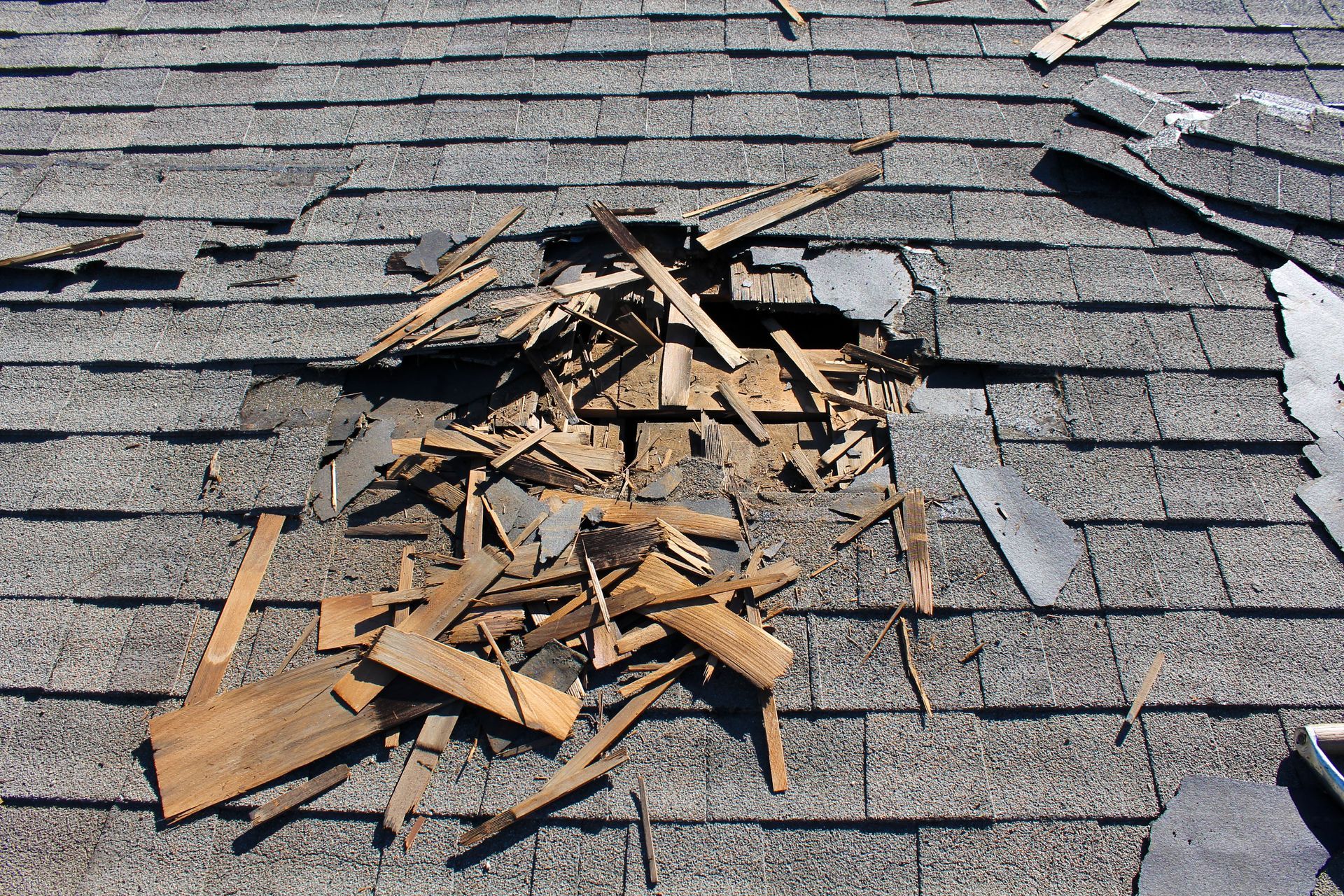
Broken or missing shingles compromise your roof’s ability to repel water effectively, posing significant threats to structural integrity. Routine checks ensure such issues are addressed promptly, minimizing the risk of water ingress and related damages. Swift replacement of damaged shingles helps prevent underlying layers from exposure to the elements. Addressing shingle problems preventatively maintains your roof's performance over time. Fostering prompt shingle maintenance practices contributes to a reliable, long-lasting roofing system.
Loose shingles can lead to major problems if not attended to, especially in areas prone to high winds and stormy weather. Inspection for and reinforcement of loose shingles can protect against further detachment during adverse conditions. Securing these shingles propagates stability across the roof, contributing to an even, protective barrier against environmental factors. By anchoring loose shingles, you enhance defense against leakage and other structural challenges. Proactive attention to shingle security significantly curtails potential repair issues. A qualified
local roofer can quickly identify loose materials and make repairs before weather conditions worsen.
Granules provide a crucial protective layer to asphalt shingles, shielding them from sunlight's damaging effects and adding durability. Excess granule loss visible in gutters signifies wear that could lead to reduced shingle lifespan and performance. Regular assessment can forewarn of potential needs for replacements or protective measures. Quick identification of substantial granule accumulation can prompt necessary preventative action, ensuring continued roof efficacy. Maintaining vigilance over granule conditions sustains roof quality and postpones costly replacements.
Flashing and Sealants
Roof flashing, typically installed around protrusions such as chimneys and skylights, acts as a waterproof barrier, preventing leaks. Regular inspection focuses on identifying rust, separation, or deterioration that may compromise flashing effectiveness. Detecting flashing issues allows for timely repairs, preventing water infiltration and subsequent structural or internal damage. Ensuring flashing is intact and functioning properly helps maintain your home's protection against harsh weather. Awareness and upkeep of flashing systems protect against unexpected water-related costs.
Sealants applied at roofing joints can erode over time, necessitating consistent oversight to preserve waterproofing capabilities. Periodic resealing strengthens barriers in vulnerable roof areas, combatting water ingress that can lead to wall or ceiling damage. Professionals experienced in selecting appropriate sealant types ensure enduring weather resistance for your roof's vulnerable points. Maintaining watertight joints contributes to indoor climate control efficiency and reduces risks of sudden leaks. Prioritizing the upkeep of these protective measures strengthens overall roof reliability.
Chimney and vent seals are often overlooked yet critical components of comprehensive roof maintenance. These seals must be inspected regularly for gaps or wear that might allow water ingress. Scheduling routine assessments of seals, particularly following adverse weather, can preempt more severe structural issues and reduce long-term maintenance costs. By ensuring these seals are intact, you enhance your home's weather defenses significantly. Maintaining effective seals also supports indoor environmental control, keeping home energy costs manageable. If seal damage is discovered, a local roofer can provide repairs that help prevent leaks and moisture intrusion.
By diligently following a roof maintenance checklist, homeowners can significantly reduce the risk of extensive and costly roof repairs. Regular inspections, timely cleaning, and addressing minor issues swiftly can extend the service life of your roof while ensuring your home remains well-protected against natural elements. Prioritizing these maintenance steps fosters long-term peace of mind and preserves the value of your property. Employing strategic approaches derived from regular observation, professional assistance, and targeted actions guarantees comprehensive roof stewardship. Working with a reliable local roofer when issues arise can further protect your investment and help maintain your roof's condition for years to come. Ultimately, conscientious care embodies an enduring commitment to fortifying homes against environmental adversity, upholding your investment over time. For an experienced local roofer you can count on, contact Jim's Roofing today.