May 4, 2026
The asphalt shingle remains the dominant choice for residential protection across the continent due to its balance of affordability, aesthetic versatility, and reliable performance. Homeowners often appreciate the wide variety of colors and textures available, which allow for a customized look that complements any architectural style. However, despite their popularity, these systems are not immune to the wear and tear of the elements. Understanding the vulnerabilities of your home is the first step toward ensuring long-term structural health.
According to Roofersguild.com, approximately 75% of North American homes have asphalt shingle roofs, giving the material a 3/4 market share for residential properties. Because so many people rely on this specific material, the demand for maintenance and restoration is constant. While shingles are designed to be durable, they require regular attention to reach their full life expectancy. By identifying common problems early, you can work with a local roofer to implement solutions before a full replacement becomes the only remaining option.
1. Replacing Damaged or Missing Shingles
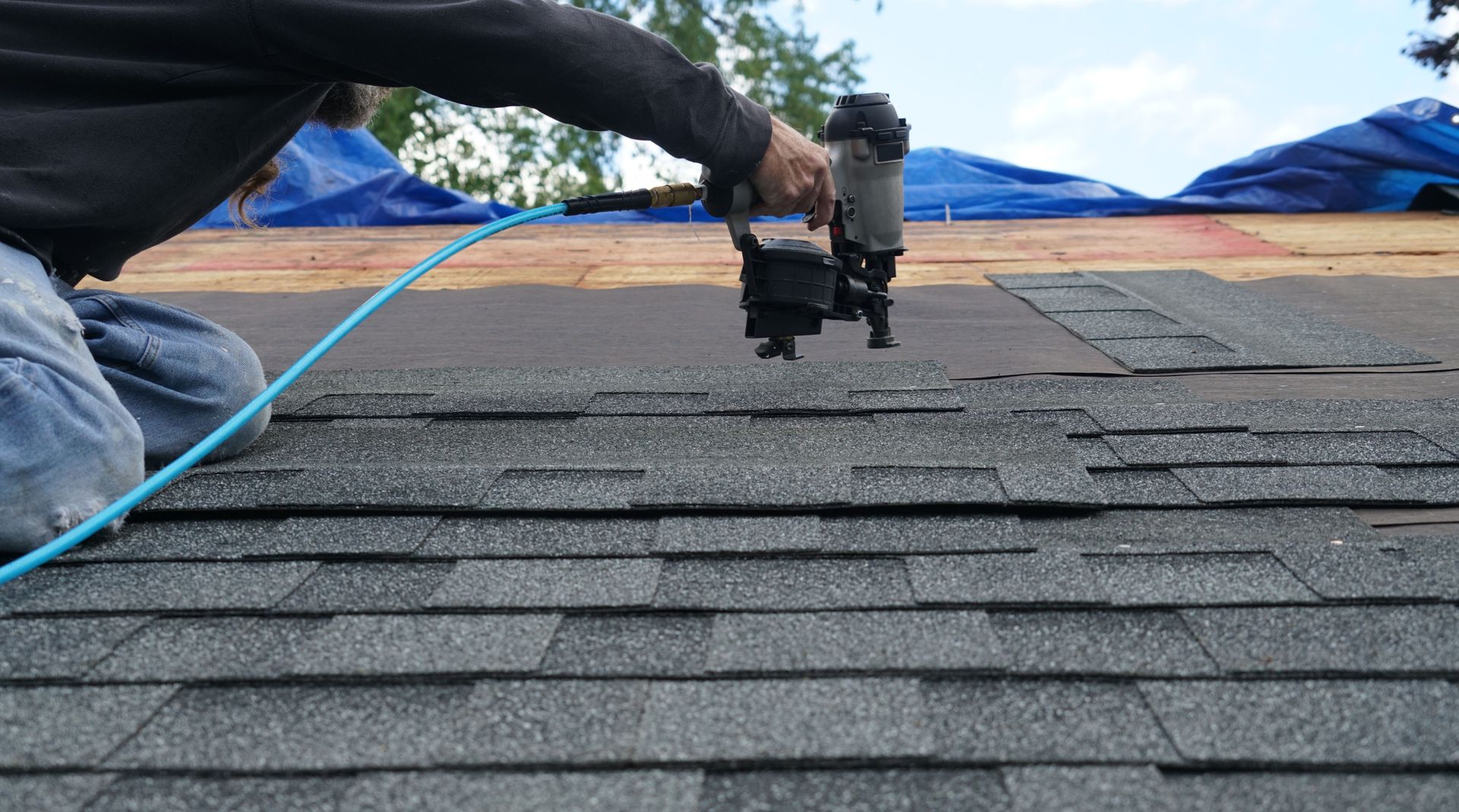
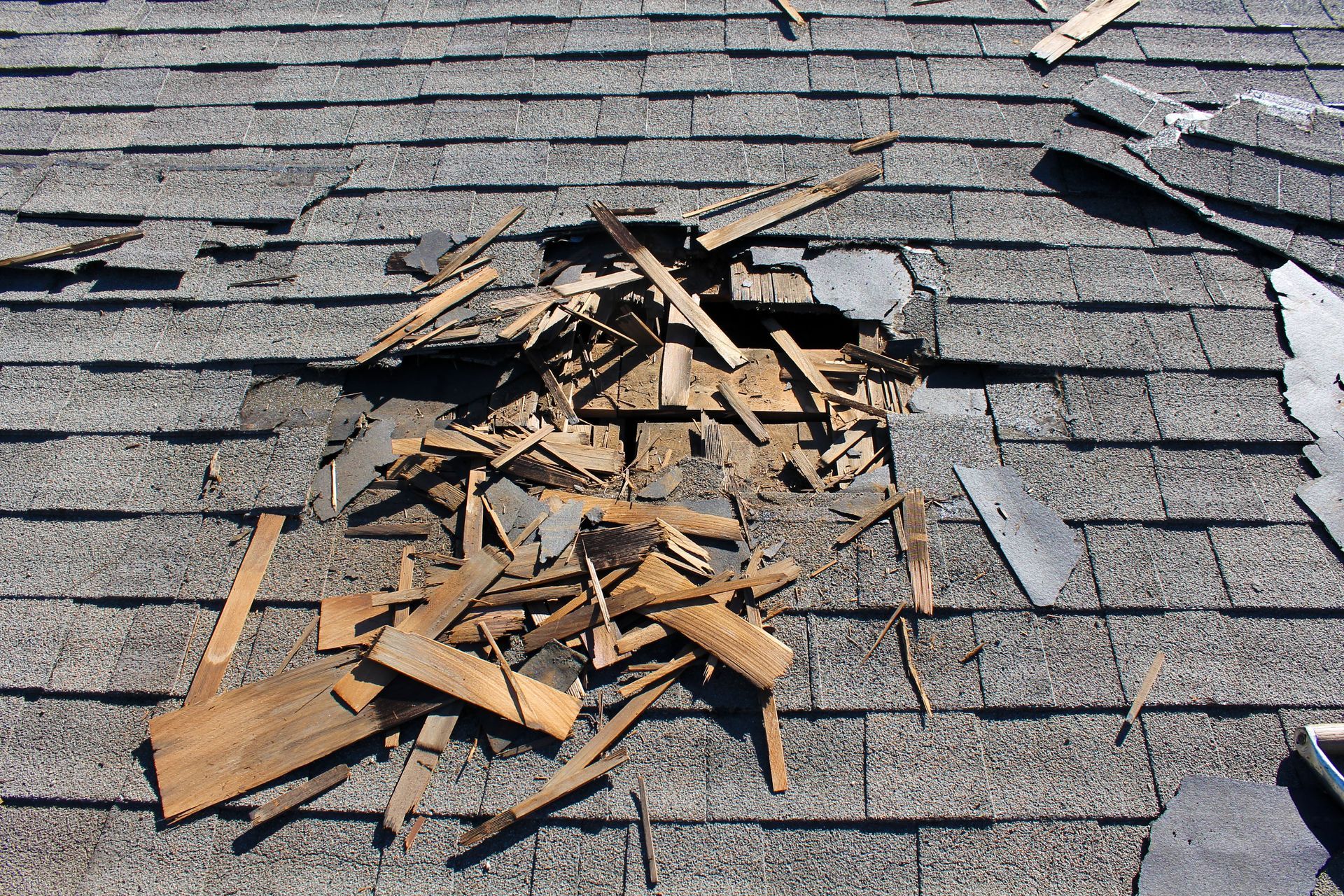
High winds are the primary culprit behind shingles that have been torn away or severely creased. When the adhesive seal that bonds one layer to the next is broken, the material becomes vulnerable to lifting. Once a shingle is missing, the underlayment and decking are exposed to direct sunlight and moisture.
To avoid this issue, it is wise to have a local roofer perform a post-storm inspection. They can check the integrity of the thermal sealant strips that hold the roof together. Maintaining a strong bond between shingles ensures that the system acts as a unified shield.
2. Fixing Corroded or Loose Flashing
Flashing is the thin material, usually made of galvanized steel or aluminum, installed around roof penetrations such as chimneys, vents, and skylights. It acts as a bridge to redirect water away from joints where the roof surface meets a vertical wall. Over time, flashing can rust, warp, or pull away from the structure due to the natural expansion and contraction of the home. When flashing fails, water finds a direct path into the attic, often resulting in mysterious leaks that appear far from the actual point of entry.
- Inspect the sealant around the chimney base regularly.
- Ensure that the metal is not showing signs of orange rust or pitting.
- Confirm that the counter-flashing is securely embedded in the mortar joints.
Preventing flashing failure requires a proactive approach during the installation phase. Ensuring that a local roofer uses high-quality, corrosion-resistant materials and proper layering techniques will save years of headaches. If you notice any metal pieces that look bent or disconnected, addressing them immediately with new sealant or replacement metal will prevent moisture from rotting the surrounding wood.
3. Repairing Granule Loss and Bald Spots
As shingles age, they begin to lose the crushed stone granules that provide their color and UV protection. You might notice these granules accumulating in your gutters after a heavy rain. While some loss is normal for new installations, excessive shedding leads to "bald spots" on the shingles. Without this protective layer, the underlying asphalt is exposed to ultraviolet radiation, which causes the material to become brittle, crack, and eventually fail.
Avoiding premature granule loss involves minimizing foot traffic on the roof. Every time someone walks on the shingles, they dislodge these tiny stones. Additionally, managing heat is crucial. An overheated attic can "bake" the shingles from the inside out, causing the asphalt to dry and lose its grip on the granules. Proper ventilation is the best preventative measure here. By keeping the roof deck cool, you extend the life of the asphalt and keep the granules in place for a much longer period.
4. Sealing Leaks Around Plumbing Vents
The pipes that stick out of your roof to vent your plumbing system are common sites for moisture intrusion. These pipes are typically sealed with a rubber boot or collar. Because rubber degrades much faster than the surrounding asphalt or metal, these boots often crack or rot long before the shingles need replacement. A cracked vent boot allows rainwater to trickle down the outside of the pipe, often causing water stains on the ceiling in bathrooms or kitchens.
A local roofer can easily swap out a weathered boot for a new one without disturbing a large section of the roof. To avoid this repair altogether, consider upgrading to a lead-based or high-silicone boot during your initial installation. These materials tend to withstand the sun better than standard neoprene rubber.
5. Addressing Buckling and Curling Shingles
When shingles start to turn upward at the edges (curling) or lift in the middle (buckling), it is a sign of a systemic issue rather than simple weather damage. This distortion often stems from improper installation, such as staples being used instead of nails, or nails being placed too high on the shingle. However, the most frequent cause is poor attic ventilation. When moisture-laden air from the home gets trapped in the attic, it can cause the wooden decking to swell and push the shingles out of alignment.
- Check attic insulation to ensure it is not blocking soffit vents.
- Install ridge vents to allow hot air to escape naturally.
- Verify that bathroom exhaust fans are vented to the outside, not into the attic space.
Consistency in the internal climate of your home is the best way to avoid buckling. If you notice your shingles looking wavy, consult a local roofer to evaluate your attic’s airflow. Improving the ventilation will not only flatten the shingles but also lower your energy bills by reducing the strain on your air conditioning system.
6. Managing Algae and Moss Growth
In humid climates or heavily shaded areas, dark streaks or green clumps may appear on the roof. This is often Gloeocapsa magma , a type of algae that feeds on the limestone filler found in many shingles. Moss is even more dangerous, as it holds moisture against the shingles and can lift the edges, allowing water to seep underneath. Over time, these organic growths can root into the shingle mat and cause permanent structural damage.
To avoid the unsightly look and the physical damage of organic growth, you can choose shingles that are manufactured with copper or zinc granules, which act as natural biocides. If your current roof is already affected, avoid using a high-pressure power washer, as this will strip away the protective granules. Instead, have a local roofer apply a gentle chemical wash. Keeping overhanging branches away from the house will also increase sunlight and airflow, making the environment less hospitable for moss and algae.
7. Correcting Nail Pops and Backed-Out Fasteners
Occasionally, the nails used to secure the shingles can work their way out of the wooden decking. This "nail pop" pushes the shingle above it upward, creating a small bump. Not only does this look bad, but it also creates a gap where wind-driven rain can enter.
Preventing nail pops starts with high-quality craftsmanship. A professional local roofer will ensure that every fastener is driven straight and into the solid wood of the rafters or thick decking. If you see a small protrusion on your roofline, it should be hammered back in and the shingle re-sealed immediately. Maintaining a stable attic temperature will also minimize the wood movement that causes these fasteners to shift over time.
Protecting your home requires more than just a one-time investment; it demands ongoing vigilance and a commitment to maintenance. By understanding these common issues and taking the necessary steps to prevent them, you can ensure that your asphalt shingles remain a reliable barrier against the elements for decades.
Whether you are dealing with the aftermath of a storm or simply want a professional eye to check for potential leaks, expert assistance is invaluable. If you suspect your home needs professional attention or a comprehensive inspection, contact Jim's Roofing.