June 8, 2026
Understanding roof repair is crucial for homeowners looking to maintain the integrity of their homes. As a local roofing contractor, we aim to shed light on the complexities of roof repair, guide you through common issues, and provide actionable insights to help you make informed decisions about your roofing needs. This article will provide you with a comprehensive guide to understanding, assessing, and performing effective roof repair practices.
Common Roofing Problems
Leaking Roofs and Their Causes
Leaking roofs are among the most frequent issues homeowners face. The primary cause of roof leaks is often damaged or missing shingles, which expose the underlying structure to water infiltration. Inadequate flashing installation around chimneys, vents, and skylights can also lead to leaks. In some cases, roof leaks may occur due to poorly sealed seams where different materials meet. Understanding the common origins of roof leaks enables homeowners to address potential problems proactively.
According to home improvement expert Bob Vila, homeowners are advised to inspect their roofs regularly, ideally twice a year during the spring and fall. This routine inspection can help identify signs of leaking early on, such as water stains on ceilings or damp patches in the attic. Catching leaks early can prevent extensive water damage to your roof's structure and insulation. Regular maintenance and prompt repairs are critical in avoiding costly roofing problems down the line. By keeping an eye on your roof's condition, you ensure swift action can be taken when necessary.
Missing or Damaged Shingles
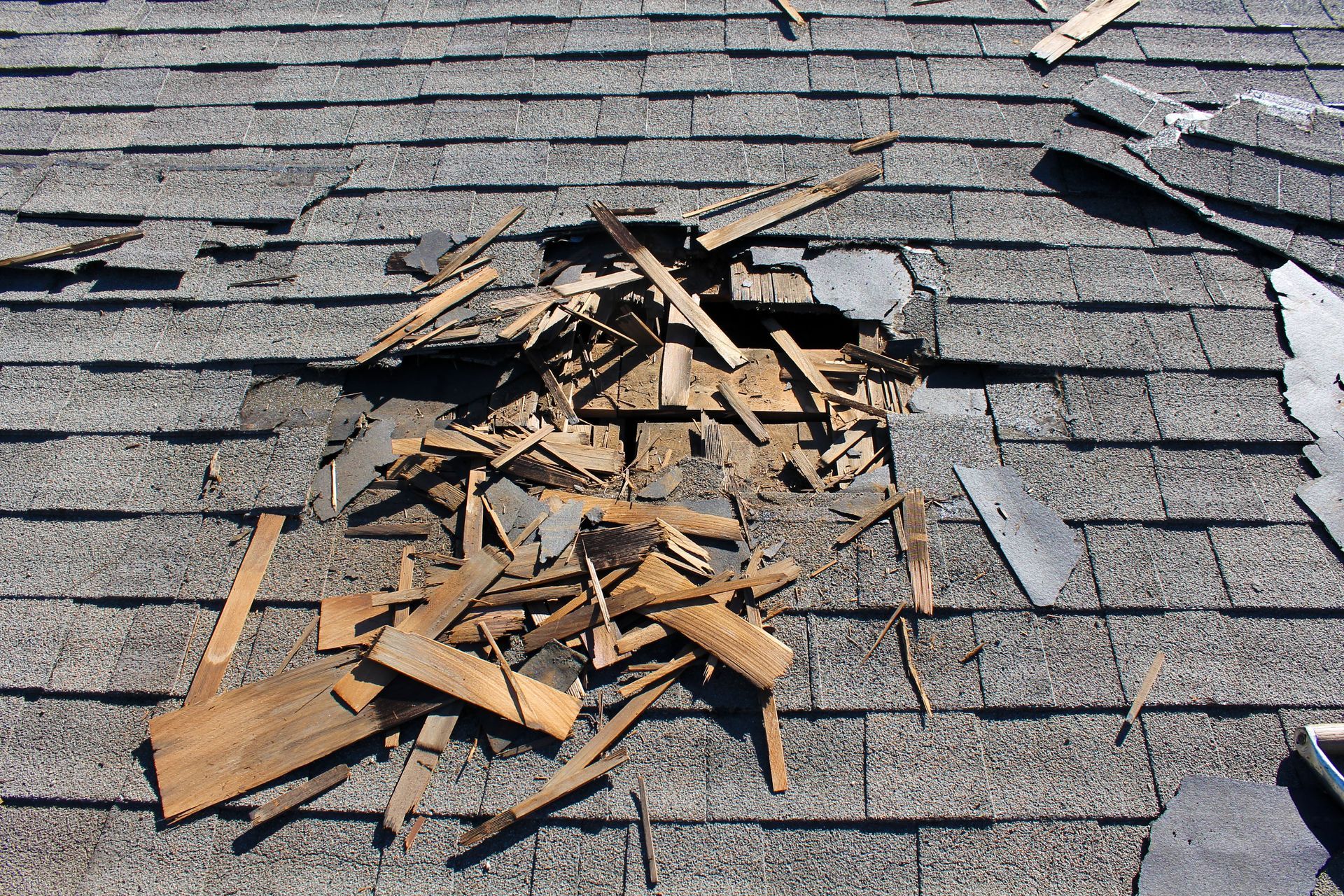
Missing or damaged shingles are visible indicators of potential roof issues. Shingles may be blown away by strong winds, leaving the roof exposed to further weather damage. Older roofs are particularly susceptible to shingle damage due to aging materials and weather-induced wear and tear. Regular inspection helps in identifying missing or cracked shingles before they result in leaks. Repairing or replacing these shingles promptly is important to maintain a roof's integrity.
Cracked shingles often occur due to thermal shock, where rapid temperature changes cause shingles to expand and contract. Over time, this expansion and contraction weakens the shingle, leading to breaks and cracks. Inspecting shingles after extreme weather events, such as hailstorms or heavy snowfall, can help identify damage. Timely replacement of problematic shingles can greatly extend the life of a roof and prevent minor issues from escalating. Routine roofing maintenance is vital in spotting these early indicators of damage and addressing them efficiently.
Flashing Failures
Flashing is integral to roof protection, involving metal sheets installed around vent pipes, chimneys, and skylights to prevent water intrusion. Flashing failures often occur due to poor installation, age, and exposure to elements, leading to leaks and water damage. Properly installed flashing should have seamless seals and resistant materials, combating corrosion and wear. Inconsistent flashing maintenance increases the risk of water seepage, damaging underlying structures. Routine inspection by a local roofing contractor involves evaluating flashing integrity and making necessary repairs.
Flashing inspections should be carried out regularly, especially following severe weather that could displace or damage flashing. Any movement might create gaps through which water can enter, leading to potential damage. Addressing flashing issues can be more complex due to their positioning around unique roof features. A local roofing contractor can ensure precise repairs or replacements, which are crucial for their ongoing effectiveness. An upfront investment in flashing maintenance can avert more significant expenditure on water damage repairs.
Inspection and Assessment of Roof Damage
Conducting a Preliminary Visual Inspection
Regular roof inspections are pivotal in early damage detection. Preliminary visual inspections can be conducted by homeowners using simple tools such as binoculars from a safe ground position. Key areas to inspect include shingle surface conditions, gutter functionality, and obvious structural deformities. Safety is paramount; attempts to closely inspect high or steep areas should be left to professionals. Correctly identifying problem areas early can save on costly repairs down the line.
According to Bob Vila, it's essential to conduct roof inspections twice a year to manage seasonal weather effects. Changes in temperature and moisture levels during these periods can exacerbate existing issues or expose new vulnerabilities. Homeowners should look for signs of wear such as sagging, crooked lines, and shingle loss. Identifying mold, mildew, or water stains can also indicate underlying issues. Documentation through photos can be useful for tracking changes over multiple inspections.
Assessing Professional Roof Inspection Techniques
While a visual inspection is valuable, professional roofers use advanced techniques to ensure comprehensive assessments. A local roofing contractor can employ thermal imaging to identify heat loss and moisture accumulation, often invisible to the untrained eye. Moisture meters are used to detect hidden water intrusion within structures. Detailed inspection checklists ensure no area is overlooked, from shingles to underlayment to ventilation systems. Professional assessments provide precise data that dictate tailored repair strategies.
An experienced local roofing contractor understands various roof types and can identify issue trends specific to each material, whether asphalt, wood, metal, or tile. This knowledge ensures accurate problem identification and repair recommendations. Inspections also evaluate the longevity projections of roof materials, helping homeowners plan for future replacements. A professional evaluation may bring attention to overlooked aspects like compliance with local building codes or outdated installations. Investing in a professional inspection provides comprehensive insights into your roof's health and performance.
Identifying Structural Damage
Structural damage to a roof can have significant implications for a home's overall integrity. Damage can occur slowly over time due to weather impacts or suddenly from severe storms or falling debris. Key indicators of structural issues include visible sagging, cracked or warped supports, and softened decking. Recognizing these signs requires thorough knowledge of construction materials and architectural standards. A failure to address structural damage promptly can lead to deeper safety risks and expensive repairs.
Structural evaluation starts with examining load-bearing elements, such as beams and trusses, which support weight and maintain shape. Shifting or disclosed trusses can lead to roof sagging and require immediate attention. Professional inspection teams are trained to assess the structural framework and identify areas of weakness or fatigue. Recommendations may include reinforcement, replacement, or changes in material selections. Early intervention based on structural assessments helps prevent catastrophic failures.
The Right Materials for Repair
Comparing Roofing Shingle Types
The choice of roofing shingles plays a significant role in long-term roof performance and aesthetics. Various shingle types, including asphalt, wood, metal, and tile, have distinct advantages and limitations. Asphalt shingles are prevalent for their affordability and ease of installation, while metal shingles excel in durability and energy efficiency. Wood shingles offer rustic appeal, although they demand more maintenance to prevent decay and insect damage. Selecting the right shingle type involves balancing style, practicality, and longevity.
Environmental conditions and regional weather patterns also influence shingle selection decisions. In areas with high rainfall or wind, durable materials like metal or tile may provide enhanced resistance to the elements. Conversely, wood shingles are not typically suited to humid conditions, due to greater susceptibility to rot. A local roofing contractor can provide insights based on your area's climate experiences, guiding appropriate material choices. Understanding the interplay of environmental factors on shingle performance ensures reliable protection and roof longevity.
Assessing Quality and Durability
Quality and durability represent pivotal considerations for any roofing material selection. Superior-grade materials often feature enhanced resilience, safeguarding against daily wear and severe weather alike. Product certifications and manufacturer ratings serve as useful indicators of material quality. Furthermore, consulting roofing professionals for advice reinforces informed selection decisions on product brands that have demonstrated historical reliability. Prioritizing quality over initial expense directly impacts roof lifespan, reducing mid-term replacement frequency.
The influence of roofing quality extends beyond aesthetics to impact insurance premiums as well. High-quality roofing materials tend to yield lower premiums, reflecting insurers' trust in their robust performance. Consequently, homeowners enjoy reduced long-term costs in both repairs and insurance. In some instances, premium materials may also boost property value due to enhanced curb appeal coupled with infrastructural robustness. Factoring these indirect cost benefits into the equation strengthens a property's overall investment profile.
If you want the expertise of a local roofing contractor, reach out to Jim's Roofing today to learn more about our dependable roofing services!